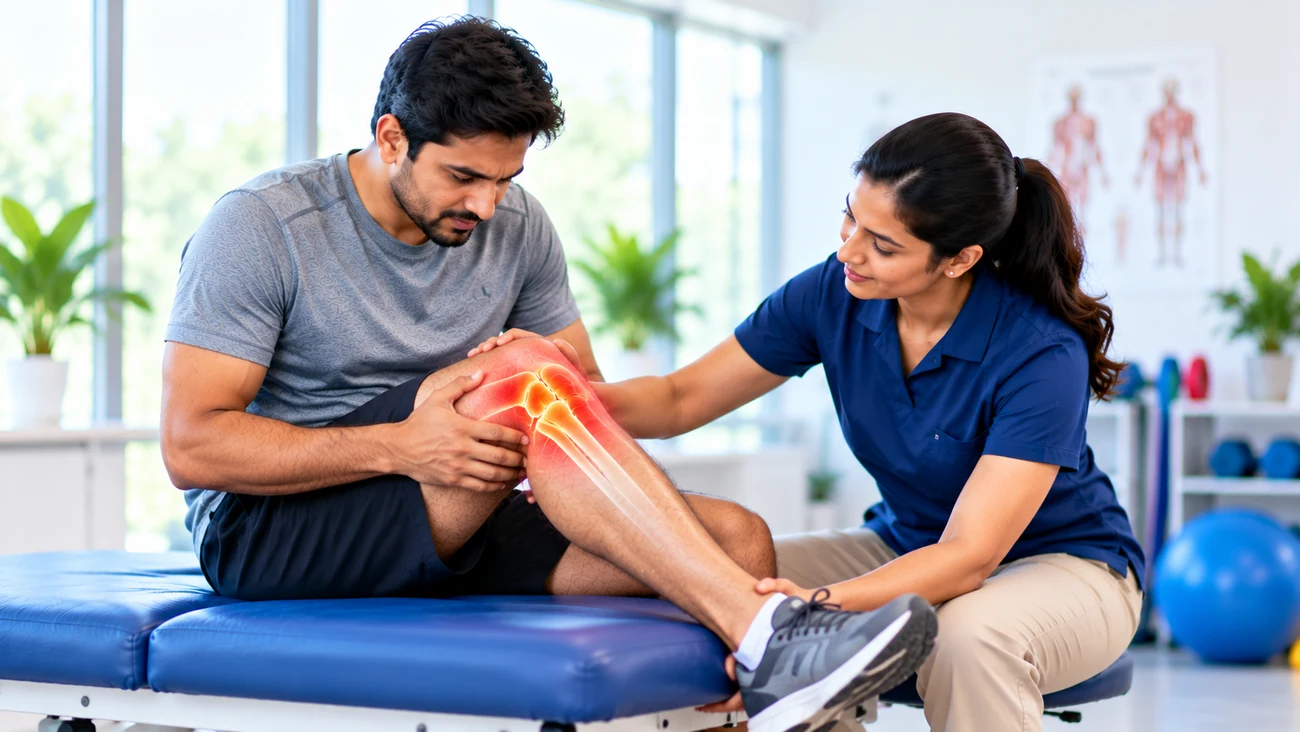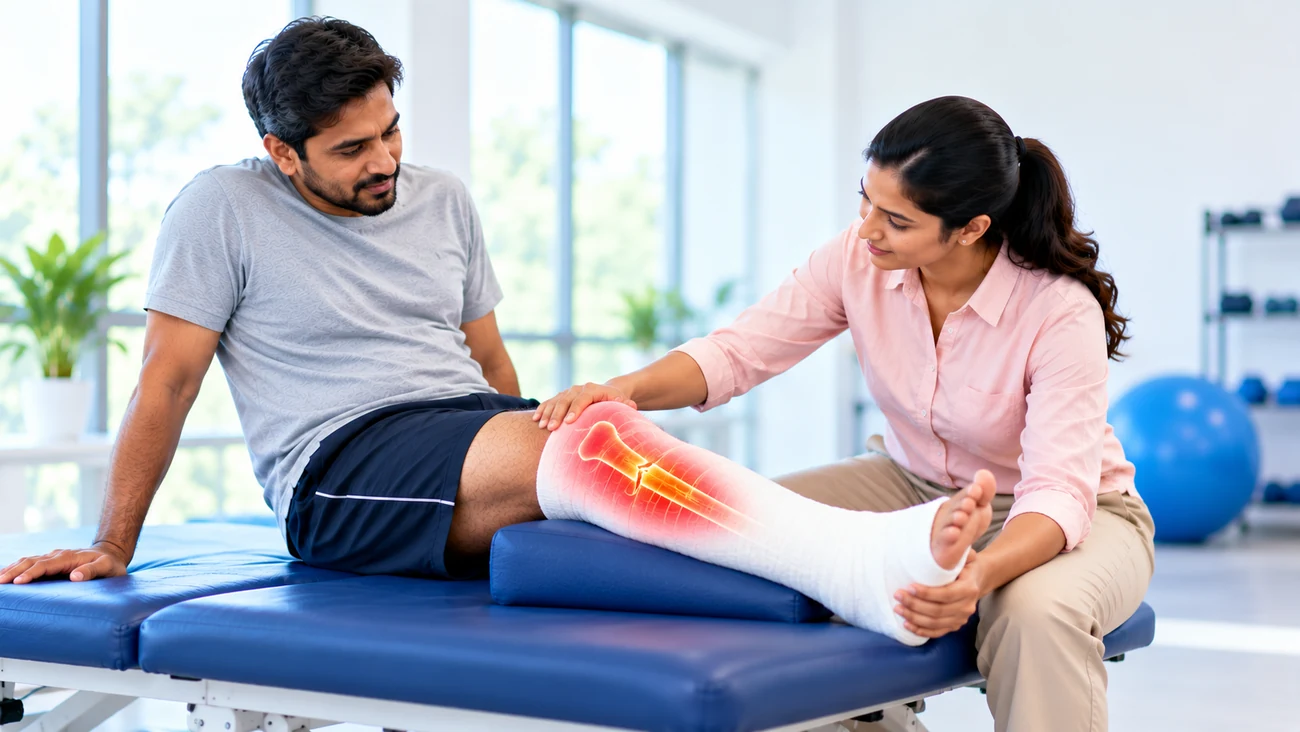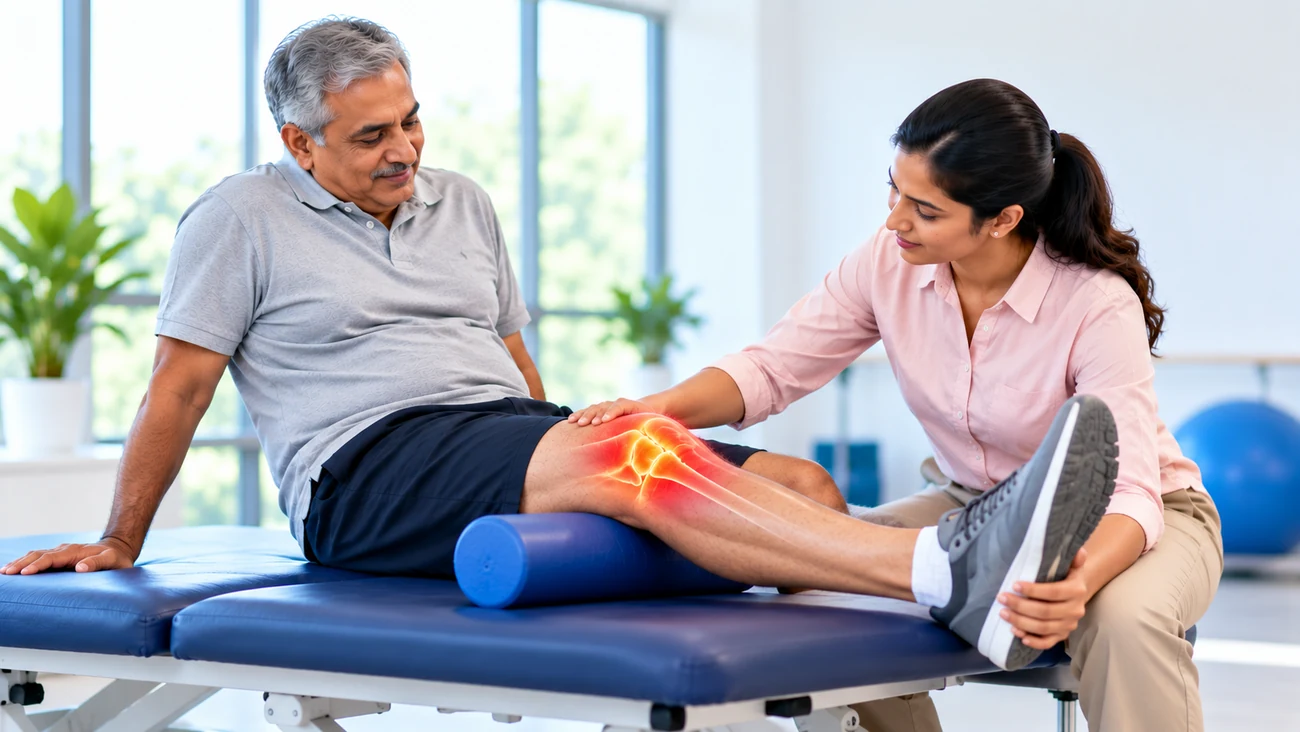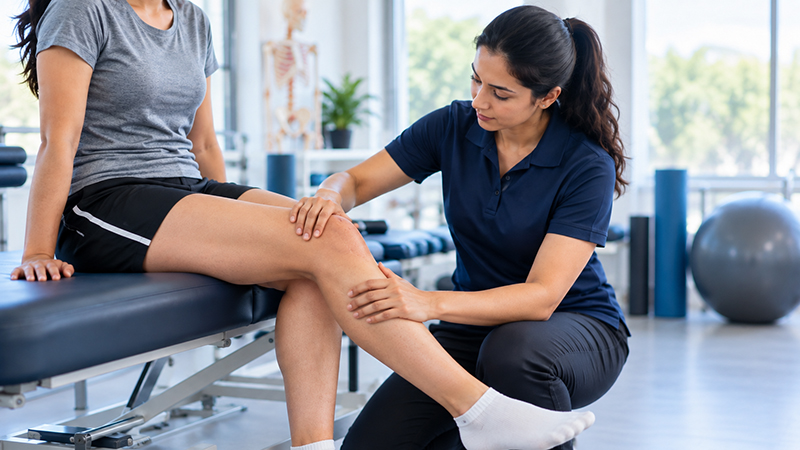
ACL surgery recovery is a slow process that calls for perseverance, consistency, and the appropriate rehabilitation routine. Restoring strength, stability, mobility, and confidence might take much longer, even though pain and swelling might go away in the first few weeks. Physiotherapy is crucial during the healing process after ACL surgery, assisting you in safely moving from simple motions to daily activities and, where suitable, sports.
Understanding the ACL Surgery Recovery Timeline
There isn't a set recovery schedule that works for everyone. The kind of surgery, the scope of the injury, any additional meniscus or cartilage damage, your physical state, and how regularly you attend to your rehabilitation routine can all affect how well you recover.
Rehabilitation usually advances throughout several objectives rather than only concentrating on a certain number of weeks or months:
- Controlling pain and swelling
- Restoring knee movement
- Rebuilding muscle strength
- Improving balance and stability
- Regaining confidence in movement
- Gradually returning to normal or sporting activities
Phase 1: The First Few Weeks After ACL Surgery
Protecting the healing knee while progressively regaining fundamental function is the main goal of the first phase. Your physiotherapist could lead you through mild exercises meant to increase knee range of motion and engage the surrounding muscles.
Rehabilitation may involve the following, depending on your surgeon's instructions:
- Managing swelling and discomfort
- Improving knee extension and bending
- Safe walking and weight-bearing
- Quadriceps activation
- Gentle strengthening exercises
- Basic mobility exercises
Find out more about our physiotherapy treatment for ACL surgery if you're starting your post-operative rehabilitation to see how structured rehabilitation may help you heal.
Phase 2: Building Strength and Knee Control
Rehabilitation focuses more on regaining strength and knee control during daily activities as your movement improves.
The quadriceps, hamstrings, glutes, and core can all be worked out. Because proper control enables the knee to react effectively during walking, climbing stairs, and other activities, balance exercises can also play a significant role in rehabilitation.
Instead of just adhering to a set timetable, your physiotherapist will progressively increase resistance and workout difficulty based on your development.
Phase 3: Returning to Normal Activities
You may progressively resume activities like walking for extended periods of time, climbing stairs, and carrying out daily duties more comfortably as your strength and mobility increase.
Feeling better does not, however, guaranty that the knee is prepared for high-impact exercises like running. Before moving forward, you should take into account your strength, stability, range of motion, and movement quality.
For customized rehabilitation and improved mobility, patients with different knee disorders may also consider knee pain physiotherapy.
Phase 4: Returning to Sports and Higher-Level Activities
Running progression, agility exercises, jumping, landing mechanics, balance work, and sport-specific motions are all possible components of later-stage ACL therapy for athletes.
The number of months since surgery shouldn't be the main consideration when it comes to returning to sports. Before resuming demanding activities, the knee should exhibit the proper strength, stability, control over movement, and functional preparedness.
A gradual return allows you to regain confidence in your movements and lessens needless strain on the healing knee.
How Physiotherapy for ACL Surgery Supports Recovery
The various difficulties that arise throughout the healing process following ACL surgery can be addressed with a customized rehabilitation program. Exercises may be modified by your physiotherapist in accordance with your functional development, strength, mobility, and symptoms.
Key areas of rehabilitation include:
- Restoring knee range of motion
- Managing swelling
- Rebuilding muscle strength
- Improving balance and stability
- Correcting movement patterns
- Preparing the knee for daily activities
- Gradually progressing toward sports or higher-level activity
Working with a licensed physiotherapist with post-operative rehabilitation experience will help you follow the right course if you're seeking for physiotherapy in Bangalore. When looking for a physiotherapy clinic near you, patients should think about the therapist's background in ACL rehabilitation and how they handle customized care.
Signs You May Need Further Assessment
It is not always the case that recovery proceeds in a straight line. If you have worsening discomfort or swelling, ongoing instability, decreased mobility, or trouble making progress with your exercises, consult your physiotherapist or surgeon.
Instead of ignoring new symptoms that arise with increased exercise, they should be discussed. Depending on your present state, your rehabilitation strategy might need to be modified.
Recovery from ACL surgery takes time, and achieving the next milestone is more crucial than hurrying to meet a deadline. Knee movement, strength, stability, and confidence can be restored with progressive progression, appropriate strengthening, and consistent physical therapy following ACL surgery. Book an appointment if you're prepared to start a customized rehabilitation program and go on with a more robust recovery.