Knee replacement surgery can help people move better when the knee is badly damaged or painful. But surgery is only one part of recovery. Physiotherapy after knee replacement is the next important step.
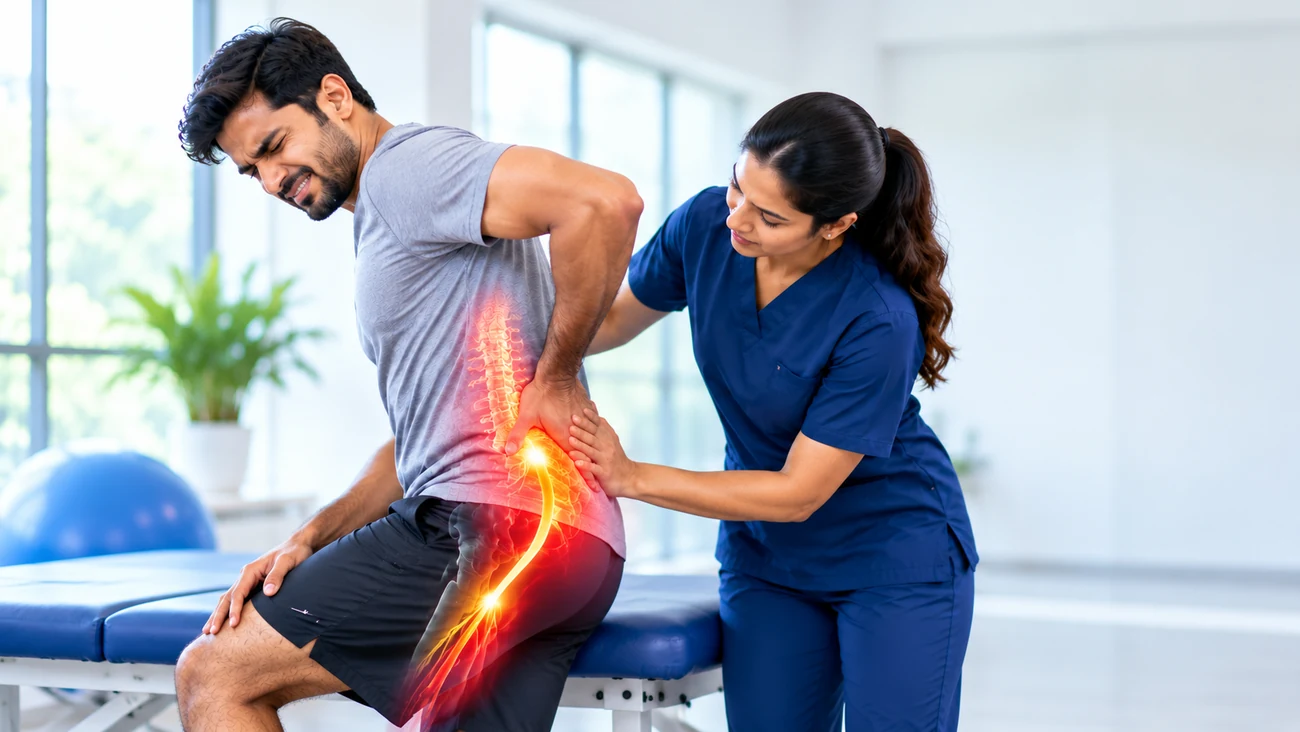
Pain, swelling, stiffness and weakness are common after surgery. Walking may feel difficult, and you may need help getting out of bed or using stairs. Physiotherapy helps you rebuild movement, strength and confidence.
At PHYSIO X10, post-surgery care is planned around your condition, comfort and recovery goals.
When Should Physiotherapy After Knee Replacement Start?
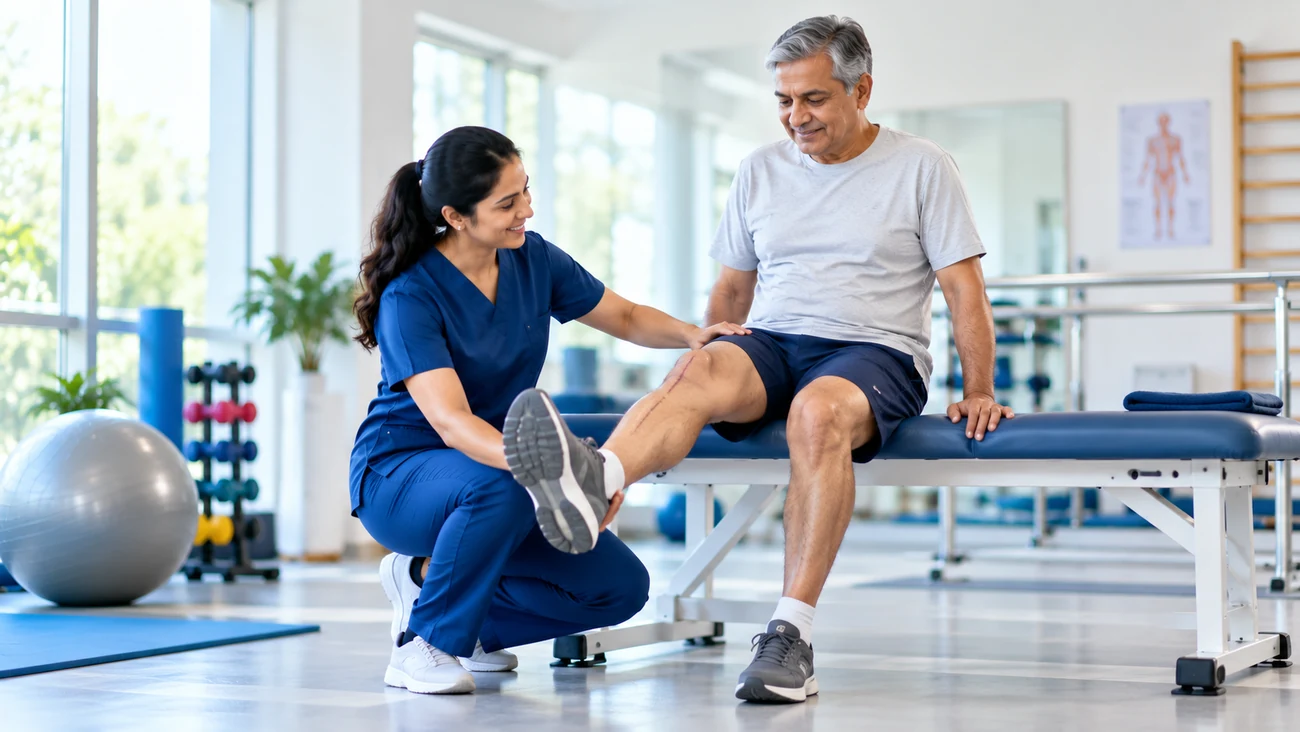
In many cases, physiotherapy after knee replacement starts on the day of surgery or the next day in hospital. A physiotherapist may help you sit, stand, move your ankle, bend the knee gently and walk a short distance with a walker or crutches.
The timing is different for each person. Your surgeon and hospital team will decide when it is safe to begin. Your health and type of surgery may affect the plan.
After you return home, physiotherapy after knee replacement surgery usually continues with exercises and walking practice, either at a clinic or at home.
Why Is Knee Replacement Physiotherapy Important?
Many people avoid moving the knee because they are worried about pain. But too little movement can leave it stiff and weak. A planned knee replacement rehabilitation programme supports safe, controlled movement.
Physiotherapy after knee replacement may help you:
- bend and straighten the knee
- improve thigh and leg strength
- reduce stiffness
- walk and balance more safely
- use stairs with better control
- return to daily activities step by step
A physiotherapist after knee replacement can also check how you walk and whether you are putting too much weight on the other leg.
For support in India or Nepal, you can find a PHYSIO X10 physiotherapy clinic near you.
What to Expect During Physiotherapy After Knee Replacement
Early Movement and Walking
At first, physiotherapy after knee replacement focuses on safe movement. You may practise standing and walking short distances. A walker, crutches or a stick may be used until your balance improves.
The goal is not to push your knee too hard. Your physiotherapist will guide you according to your comfort and your surgeon's advice.
Simple Exercises After Knee Replacement
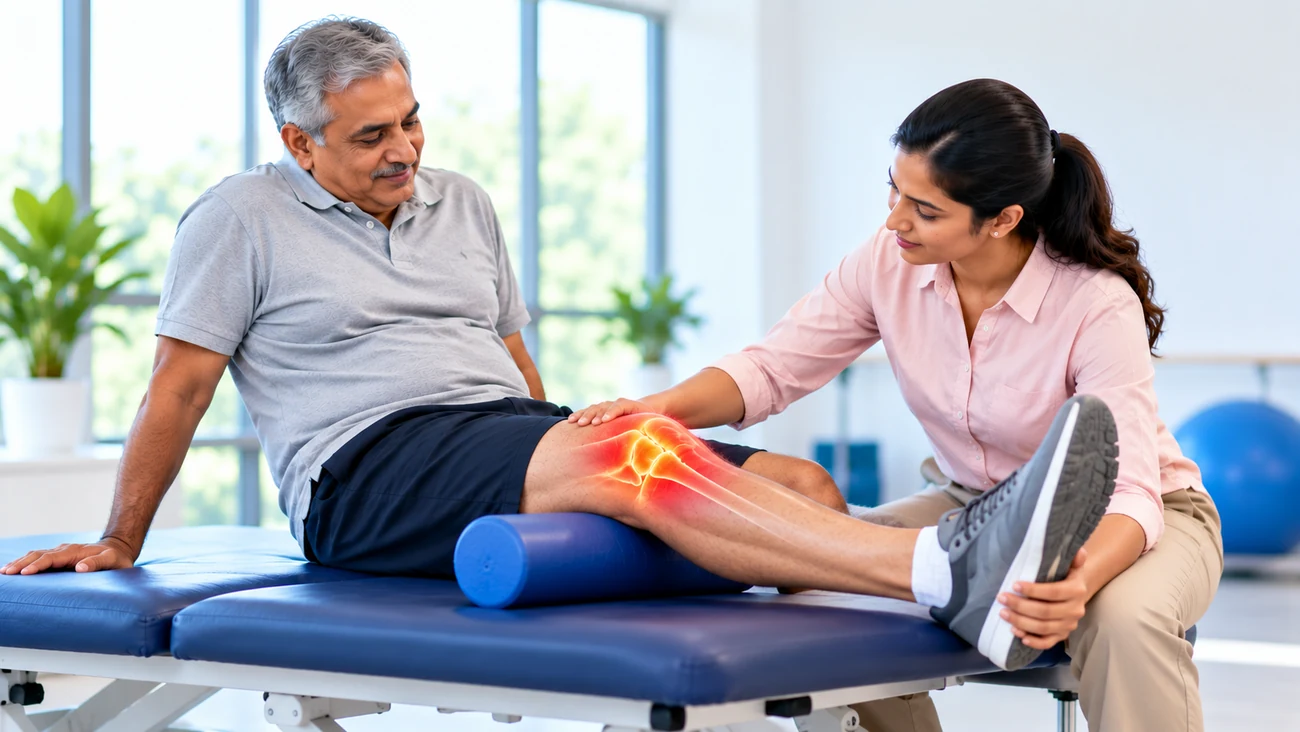
Following a knee replacement, your physiotherapist might lead you through mild exercises. Ankle motions, thigh muscle tightening, little knee bending, and leg straightening are a few examples.
Exercises should be tailored to your healing state. Avoid imitating challenging activities from web videos or other patients. Your recuperation might be unique.
Building Strength and Movement
Physiotherapy following a knee replacement gets increasingly active as recovery progresses. Stairs, longer walks, leg strength, knee mobility, and balance can all be improved.
Typically, daily tasks are implemented gradually. The goal is to increase your level of independence without putting undue strain on your mending knee.
You can also read PHYSIO X10's blog on 7 signs your knee pain shouldn't be ignored.
How Long Does Recovery After Knee Replacement Take?
Everybody recovers after knee replacement in a different way. While full healing can take several months, improvement typically occurs over a few weeks.
Following a knee replacement, regular physical therapy helps you avoid doing too much too soon by providing you with a clear strategy. Exercises can be modified by your physiotherapist in response to pain, swelling, strength, and movement.
Avoid comparing your recuperation to that of a friend or relative who underwent the same procedure. Recovery may be impacted by age, health, muscular strength, and the state of the knee prior to surgery.
When Should You Contact Your Doctor?
Following knee surgery, some pain, swelling, and bruising are to be expected. Increased redness surrounding the site, fluid from the wound, fever, significant or worsening calf edema, sudden chest pain, or breathing difficulties should all be reported to your surgeon or medical team.
Medical treatment is required for these symptoms. Exercise is not the sole way to manage them.
Why Choose PHYSIO X10 for Knee Replacement Rehabilitation?
Following knee surgery, PHYSIO X10 offers progress-based rehabilitation, guided exercise, and evaluation. Your physiotherapist can assess your range of motion and schedule treatments based on your safety and goals.
Following a knee replacement, physical rehabilitation shouldn't feel like a sprint. The goal is to make steady progress while honoring your body's healing process and according to your surgeon's recommendations.
Rehabilitation may be scheduled at a clinic or through other appropriate treatment choices, depending on your needs and availability.
FAQs About Physiotherapy After Knee Replacement
How soon should physiotherapy after knee replacement begin?
It often begins on the day of surgery or within the first day, depending on your condition and the surgeon's advice. Early exercises are usually gentle and supervised.
Is physiotherapy after knee replacement painful?
Some discomfort can happen while the knee is healing. Exercises should not be forced. Tell your physiotherapist if pain is strong, sharp or getting worse.
Can I do knee replacement physiotherapy at home?
Home sessions may suit some patients after discharge. Your physiotherapist can advise whether home, clinic or a mix of both is right for you.
How many physiotherapy sessions will I need?
There is no fixed number. It depends on your knee movement, strength, walking ability, health and recovery goals.
Take the Next Step in Your Recovery
A well-defined rehabilitation plan will help you know what to do and when to advance, making recovery more structured and understandable.
Discuss a suitable plan with the PHYSIO X10 team if you or a family member has recently had surgery or is getting ready for a knee replacement. Book your physiotherapy appointment and take the next step towards safer, more confident movement.