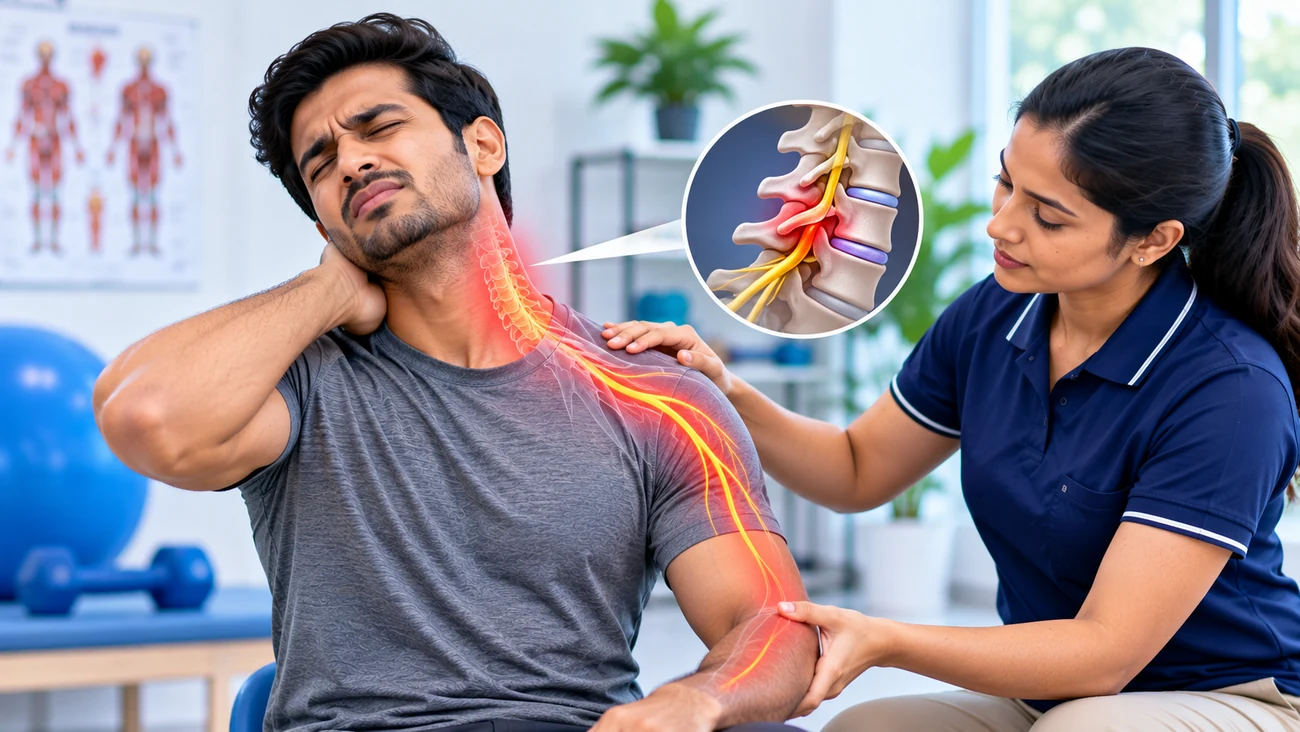
Badminton requires lots of overhead strokes, forceful smashes, reflexes and shoulder motion. Although beneficial for a badminton player, this can also be highly stressful for the shoulder joint.
Shoulder pain may occur when you smash, raise your arm and/or play many matches. This could suggest there is an issue with your shoulder. Typical problems are those relating to the rotator cuff, muscle over-stretches and inflamed shoulder tendons.
Knowledge about badminton related shoulder injuries, together with an awareness of the associated signs and suitable remedies, can enable you to re-engage in the sport in a secure manner.
Why Do Badminton Players Experience Shoulder Pain?
Shoulders need to be mobile in badminton and especially when making overhead strokes, for example, smashing, clearing and serving. Several factors may contribute to shoulder pain:
- Repeated overhead strokes: Frequent smashes and clears place repeated demands on shoulder muscles and tendons.
- High training intensity: Increasing practice hours or playing multiple matches without sufficient recovery may overload shoulder tissues.
- Poor playing technique: Inefficient stroke mechanics can increase stress on the shoulder.
- Muscle weakness: Reduced strength or endurance in the rotator cuff and shoulder blade muscles may affect shoulder control.
- Limited mobility: Restrictions in shoulder or upper-body movement may affect how comfortably you perform overhead shots.
Shoulder pain does not always indicate a serious injury. However, recurring discomfort should not be ignored.
Common Shoulder Injuries in Badminton Players
Different shoulder structures can become painful or injured during badminton.
1. Rotator Cuff-Related Shoulder Problems
There are four muscles and tendon in the Rotator cuff which control and support the shoulder.
People can suffer from Rotator cuff issues due to frequent overhead work. People can feel pain in their shoulders when smashing, raising their arms and/or reaching up.
2. Shoulder Tendon Irritation
Overuse can also inflame the shoulder tendons and lead to painful shoulder joints. Problems can be felt when undertaking overhead strokes and/or when reclining on the problematic shoulder.
3. Shoulder Muscle Strain
Abrupt forceful actions, over-training and insufficient rest can also lead to shoulder muscle strains.
People can feel their shoulders are tender and painful and may struggle to make forceful strokes.
4. Shoulder Instability
Shoulder stability is supported by muscles, tendons and ligaments. Issues can therefore arise with these and people can feel as if their shoulders are unstable and hard to control.
As it is not always possible to determine precisely what has been injured simply from a person’s symptoms, good evaluation is essential.
What Are the Signs of a Badminton Shoulder Injury?
Watch for these symptoms during or after playing:
- Pain during smashes and overhead shots.
- Difficulty raising your arm.
- Shoulder weakness or reduced power.
- Pain when reaching behind your back.
- Discomfort after long training sessions.
- Restricted shoulder movement.
- Pain that continues during rest or affects sleep.
If these symptoms repeatedly interfere with your performance, consider consulting a healthcare professional.
How Can Sports Physiotherapy Help With Badminton Shoulder Pain?
Sports physiotherapy addresses diagnosis, shoulder function and reintegration into sport. Sports physiotherapists can analyse a person’s shoulder range of motion, muscle strength, rotator cuff and scapula function. They can also review general and badminton specific movement.
Based on the findings, rehabilitation may include:
- Pain Management and Activity Modification
Players may be advised to alter their training and minimise painful overhead activity.
- Shoulder Mobility Exercises
Personalised mobilisation may assist and increase pain free shoulder movement and overcome specific shoulder mobility issues.
- Rotator Cuff Strengthening
Gradual strengthening can be beneficial in developing a player's shoulder strength, command and stamina.
- Shoulder Blade Strengthening
Exercises can be performed to strengthen scapulae surrounding muscles and so enhance a player's co-ordination and shoulder command, particularly when undertaking overhead activity.
- Sport-Specific Rehabilitation
Once a player's symptoms and function have improved, sport specific rehabilitation can begin. This may involve controlled overhead hitting actions and graduated training activities pertinent to badminton.
The rehabilitation programme should be tailored to fit a player's condition, training and rehabilitation progress. It is not always the case that the same rehabilitation exercises will apply to all shoulder injuries.
How Can Badminton Players Prevent Shoulder Injuries?
Although not every injury can be prevented, some practical habits may help reduce unnecessary shoulder stress.
- Warm up before starting intense badminton sessions.
- Increase training duration and intensity gradually.
- Include shoulder mobility and strengthening exercises in your routine.
- Focus on proper stroke technique.
- Allow adequate recovery between demanding sessions.
- Avoid repeatedly playing through increasing shoulder pain.
- Maintain overall upper-body strength and conditioning.
When Should You See a Sports Physiotherapist?
See a professional where there is persistent shoulder pain which is affecting your smashes, playing performance and/or daily life.
Visit a doctor immediately if there has been a serious injury and your shoulder has altered in appearance, is greatly inflamed or you are unable to move your arm. Similarly, seek immediate medical advice if you have experienced a sudden intense level of pain, have lost feeling and/or suffer significant muscle weakness. Timely assessment can allow for accurate diagnosis and suitable rehabilitation to then take place.
Where Can You Get Sports Physiotherapy in Bangalore?
If badminton shoulder pain is affecting your performance, PHYSIO X10 offers Sports Physiotherapy to support individuals dealing with sports-related injuries and rehabilitation needs.
You can explore PHYSIO X10 Clinics in Bengaluru to find available clinic locations. If attending a clinic is difficult, Physiotherapy at Home is another option to explore.
The right rehabilitation approach should be based on your shoulder assessment, physical demands, and return-to-sport goals.
Frequently Asked Questions
- Can playing badminton cause rotator cuff injuries?
Repeated overhead movements and excessive shoulder loading may contribute to rotator cuff-related problems, although not every case of shoulder pain is a rotator cuff injury.
- Should I stop playing badminton if my shoulder hurts?
You may need to reduce or temporarily modify activities that aggravate your symptoms. Whether you can continue playing depends on the severity and cause of the pain.
- Can physiotherapy help badminton shoulder pain?
Yes. An individualized rehabilitation programme may help improve shoulder strength, mobility, movement control, and sporting function.
- When can I return to badminton after a shoulder injury?
Return depends on pain, shoulder movement, strength, endurance, and the ability to perform badminton-specific movements safely. A gradual, assessment-based return is preferable to relying only on time away from the sport.
Get Back to Playing With Better Shoulder Function
Shoulder pain should not become a regular part of your badminton routine. Understanding the possible cause and following an appropriate rehabilitation plan can help you work towards better shoulder function and a safer return to the court.
Experiencing shoulder pain while playing badminton? Book an Appointment with PHYSIO X10 for a professional assessment.