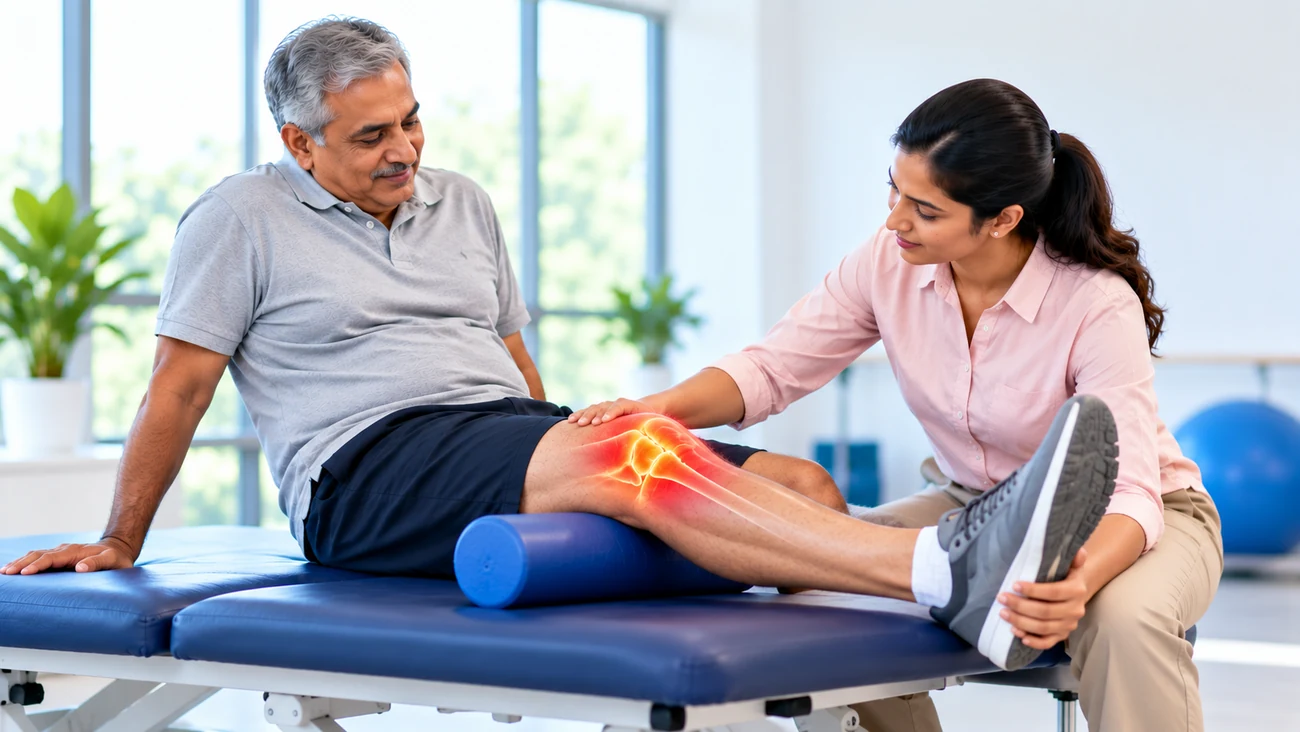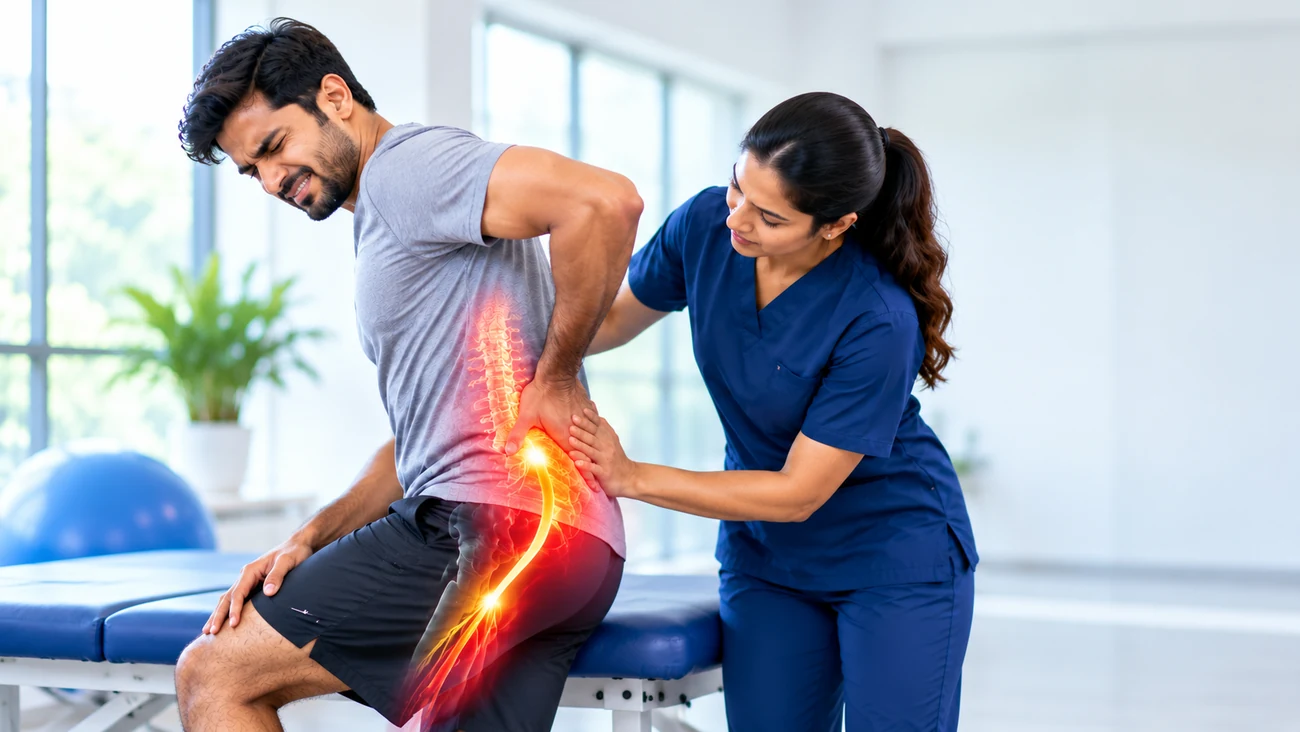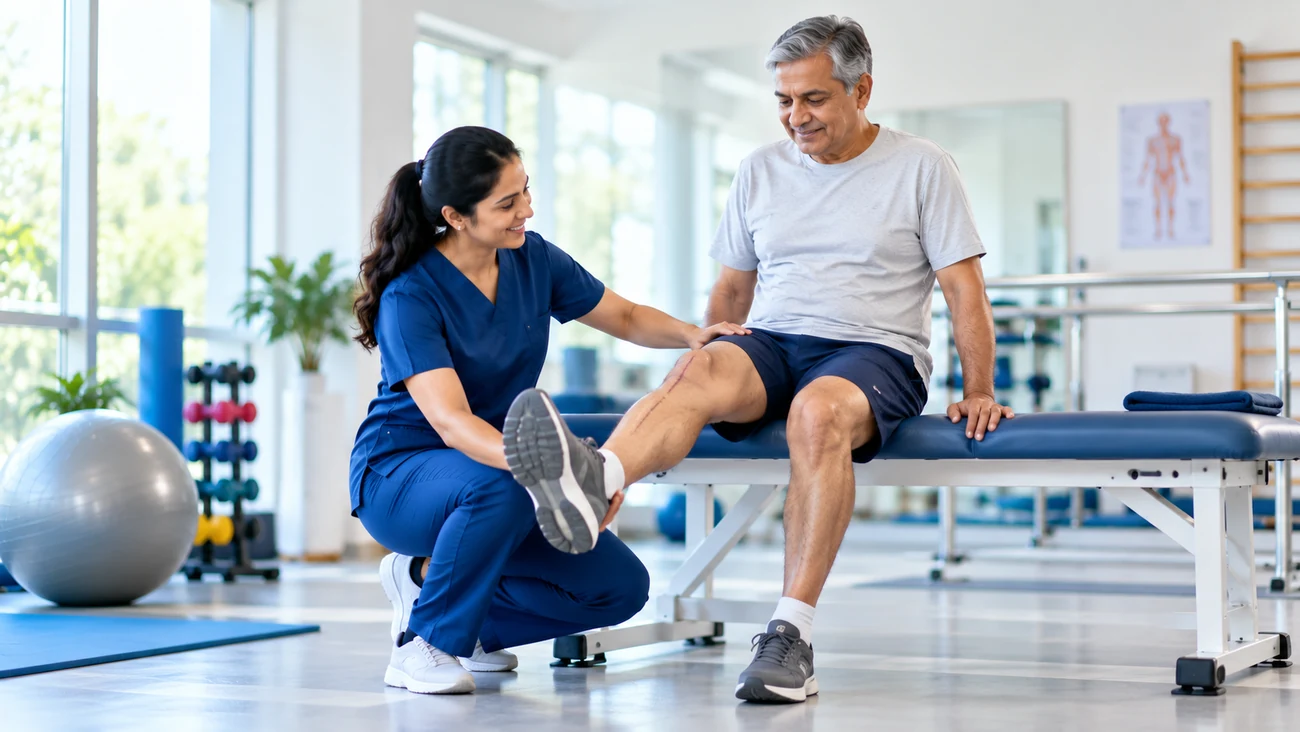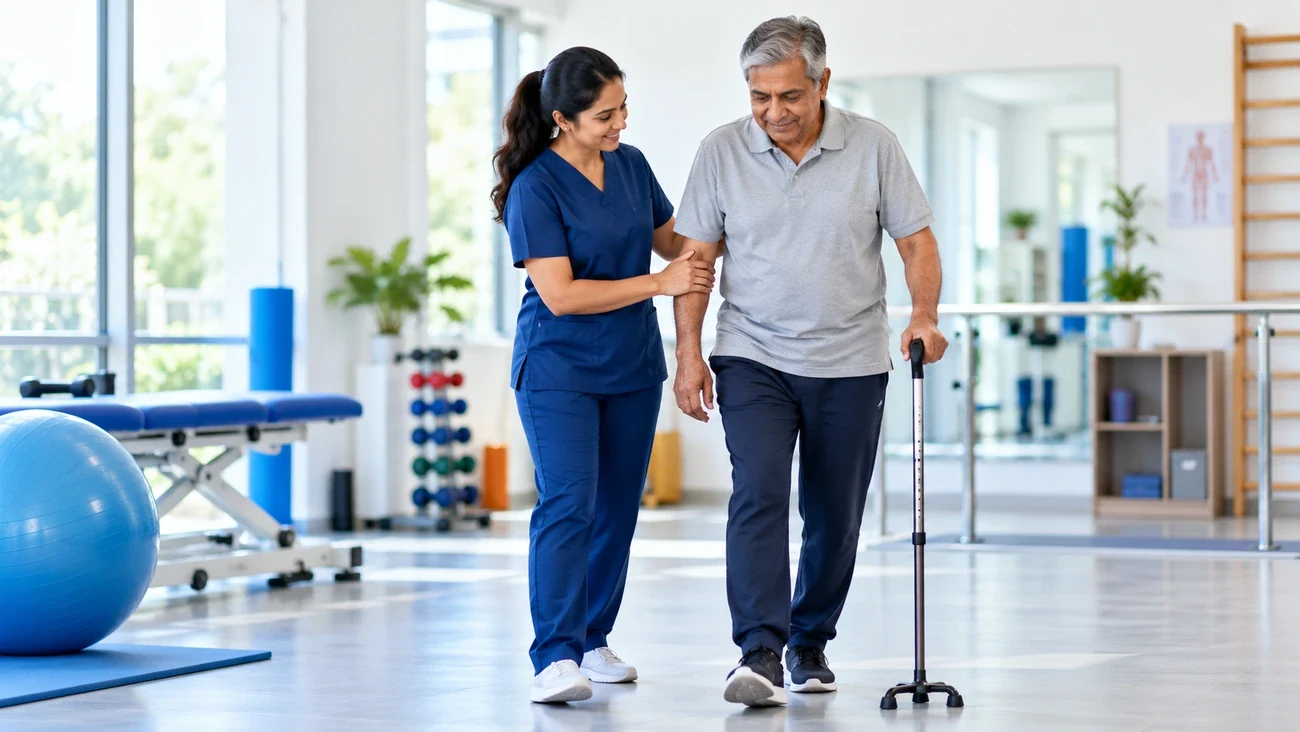
While joint replacement surgery can help reduce chronic pain and increase mobility, it is only one part of the healing process. In order to help you restore your strength, confidence, mobility, and balance, the therapy that follows is essential. Following joint replacement surgery, physiotherapy helps you safely go from basic motions to everyday activities by providing methodical guidance through different phases of rehabilitation. Although every person's recuperation from a joint replacement is different, being aware of the general schedule and benchmarks will help you get ready.
How Does Physiotherapy Help After a Stroke?
Following a stroke, stroke physiotherapy is crucial in assisting patients in regaining their physical function. Treatment may concentrate on muscle strength, joint mobility, balance, coordination, walking, and control of the afflicted side of the body, depending on the patient's condition.
First, a physiotherapist evaluates the patient's mobility, strength, balance, mobility, and functional limits. A customized rehabilitation program can be created based on this evaluation.
Common goals of physiotherapy for stroke may include:
- Improving muscle strength and control
- Restoring joint range of motion
- Improving balance and coordination
- Practicing safer walking
- Improving control of the affected side
- Building confidence during movement
- Supporting greater independence in daily activities
Selecting a physiotherapy clinic with expertise in neurological rehabilitation can offer more suitable post-stroke support if you or a family member is searching for one nearby.
What Exercises Are Used in Stroke Rehabilitation?
Exercises are a crucial component of stroke rehabilitation, but their selection should take the patient's health and recovery objectives into consideration. Professional evaluation is crucial since exercises that work for one person might not work for another.
Depending on the patient's abilities, stroke recovery exercises may include:
- Gentle range-of-motion exercises
- Progressive muscle strengthening
- Balance and stability exercises
- Sit-to-stand practice
- Walking and gait training
- Coordination exercises
- Functional movement practice
Exercises can be progressively increased in complexity and intensity as the patient improves their strength, balance, and motor control. Confidence can be increased and movement patterns reinforced with regular repetition.
Additionally, rather of pushing the patient beyond their current capacity, strengthening should be introduced appropriately. When appropriate for the patient's stage of recovery, a systematic strengthening and conditioning program can support rehabilitation.
How Physiotherapy Helps Improve Mobility After a Stroke
Physiotherapy for stroke rehabilitation aims to do more than just build muscle. Additionally, it emphasizes on assisting patients in regaining as much physical independence as possible and improving their mobility throughout daily tasks.
Depending on the patient's condition, rehabilitation may focus on helping them:
- Stand up from a chair more safely
- Walk with better control
- Maintain balance while changing direction
- Move around the home more confidently
- Use the affected side more effectively
- Perform everyday movements with greater independence
For patients seeking physiotherapy in Bengaluru, working with a qualified physiotherapist experienced in neurological rehabilitation can help create a structured and individualized recovery plan.
By promoting safe movement and suggested activities without hurrying the patient's recuperation, family members and caregivers can also aid in the rehabilitation process.
What to Expect During Stroke Rehabilitation
An evaluation of the patient's present physical capabilities is usually the first step in a rehabilitation program. Strength, range of motion, balance, walking ability, coordination, and functional mobility can all be assessed by the physiotherapist.
The program may then involve:
- Identifying the patient's main movement limitations
- Setting realistic and measurable rehabilitation goals
- Introducing appropriate exercises and movement training
- Progressively increasing exercise difficulty
- Reassessing progress and modifying the program when needed
- Providing appropriate home exercises and caregiver guidance
Because everyone's recovery from a stroke takes a different amount of time, this customized approach is crucial. While some patients could need longer-term therapy, others might see substantial changes more immediately.
When Should You Start Physiotherapy After a Stroke?
When the patient's condition permits it and the treating medical team deems it suitable, rehabilitation planning can start early. However, a number of circumstances, including the type and severity of the stroke, medical stability, physical abilities, and other health issues, affect the precise timing and intensity of physiotherapy following a stroke.
Additionally, recovery doesn't always end when a patient leaves the hospital. As the patient's abilities improve, ongoing post-stroke therapy may be crucial for improving strength, mobility, balance, coordination, and functional independence.
Patients and their family should stay in regular contact with their medical and rehabilitation team, particularly if they experience new symptoms, severe exhaustion, pain, or trouble exercising.
Conclusion
Physiotherapy can be crucial in enhancing strength, balance, mobility, coordination, and functional independence following a stroke. Stroke rehabilitation is a slow and customized procedure. Patients can strive toward significant gains in daily mobility and quality of life with the right evaluation, regular rehabilitation, and activities that advance in accordance with their capacities. Book an appointment right now to start the next phase of your recovery if you or a loved one is prepared to start a customized rehabilitation program.